MotionVideo
 0:15
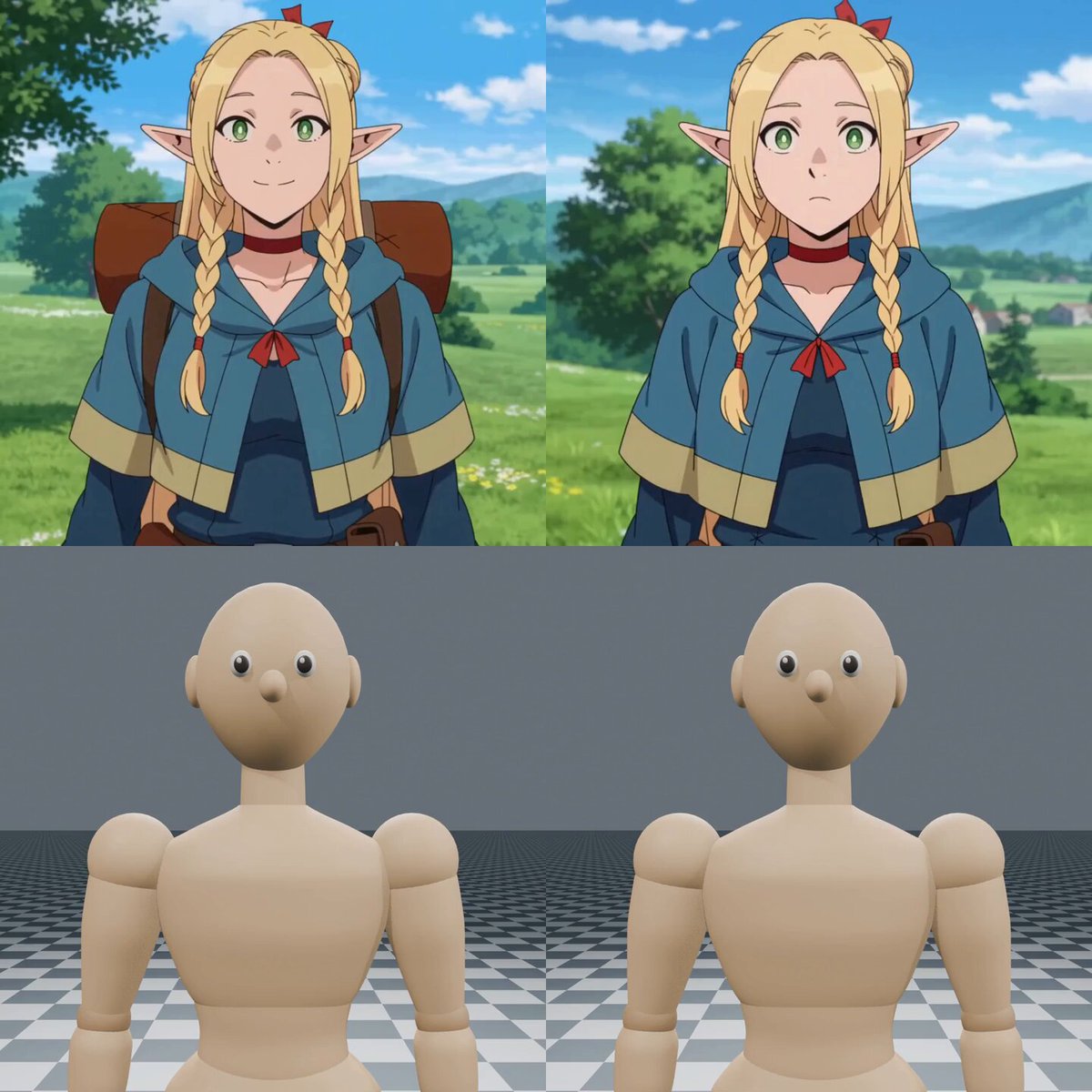
Blender骨骼绑定与动画模型对比
Blender骨骼绑定与动画模型对比,由 @0xWast3 使用 Opus 5.5 创作。观看视频,阅读创作者原帖,了解作品背景。
0:30 · 104 赞(来源快照) · 14.5K 次浏览(来源快照)
创作者帖子
创作者帖子和原始作品标题保留来源语言。
Anthropic’s Sonnet 5.5 costs half of what Opus 5.5 does, thinks longer on max effort, and its builds still break once Blender hits play.
A still frame flatters both models. Only the timeline shows which one understood how the object is meant to move.
> BRIEF - one identical object description, both models set to max effort
> BUILD - mesh, materials and hierarchy assembled in Blender with no human edits
> PLAY - every rig run through a full animation instead of judged on frame one
> CLOCK - wall time and spend logged for each build, prompt to final file
On frame one the outputs were hard to tell apart: matching silhouettes, clean topology, sensible material slots.
Motion split them within seconds. Sonnet’s joints bent where the object never would, and weights bled into rigid parts.
Max effort did not close that gap. Sonnet spent more time reasoning on every build and still landed a weaker rig.
Effort is a dial for search time, not for capacity. Turning it up let Sonnet look longer, never deeper.
Static work is where Sonnet makes sense. Props and scenery that never move came back close enough at half the bill.
So the routing rule writes itself: anything that moves goes to Opus, anything that sits still can go to Sonnet.
Scene by scene, with timings and the real cost of each build, the full scorecard follows.
这是创作者的帖子文字,不是经过核验的生成提示词。