MotionVideo
 0:53
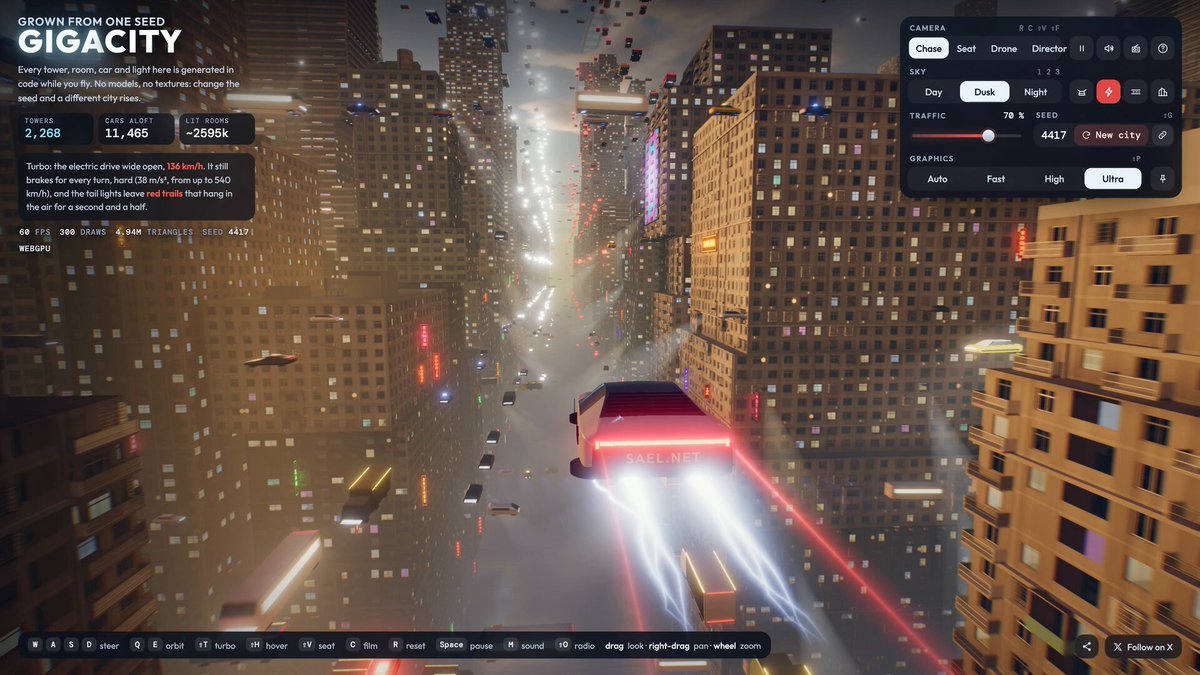
Living 3D model generated from GitHub issues
Living 3D model generated from GitHub issues — @0xWast3 की Opus 5.5 से बनी रचना। वीडियो देखें और संदर्भ के लिए क्रिएटर की मूल पोस्ट पढ़ें।
0:36 · 166 लाइक · स्रोत में दर्ज आँकड़े · 16.1K व्यू · स्रोत में दर्ज आँकड़े
क्रिएटर की पोस्ट
क्रिएटर की पोस्ट और मूल रचना के शीर्षक स्रोत की भाषा में रखे गए हैं।
Anthropic turned one GitHub request into a living 3D model that answers every new issue with a rebuilt version of itself
Opus 5.5 builds the whole system from that first request, from geometry and rig to the viewer and the pipeline behind it.
> REQUEST - one issue describes the object in plain words, nothing else needed
> BUILD - mesh, rig and materials generated and committed as editable source files
> VIEW - a browser viewer added to the repo so anyone can spin the model instantly
> LISTEN - every new issue is read as a change request against the current model
> PATCH - only what changed gets rebuilt, then a pull request opens with a fresh render
A 3D asset is normally a dead file. Someone exports it once, and every later change means opening the software again.
Here the model stays alive inside the repo. Ask for a longer handle or a softer material, and it answers in a pull request.
Each pull request carries a new render, so the change gets reviewed by eye before anyone merges it.
Because the source is code and not a binary blob, every version is diffable. You see exactly which part moved and why.
Rejected changes cost nothing. Close the pull request and the model stays exactly as it was.
Teams already run software this way. Running a 3D model like a codebase is the part nobody had wired up.
The first request, the repo layout and one full issue-to-render cycle are pinned in the article.
यह क्रिएटर की पोस्ट है, सत्यापित जनरेशन प्रॉम्प्ट नहीं।