MotionVideo
 0:53
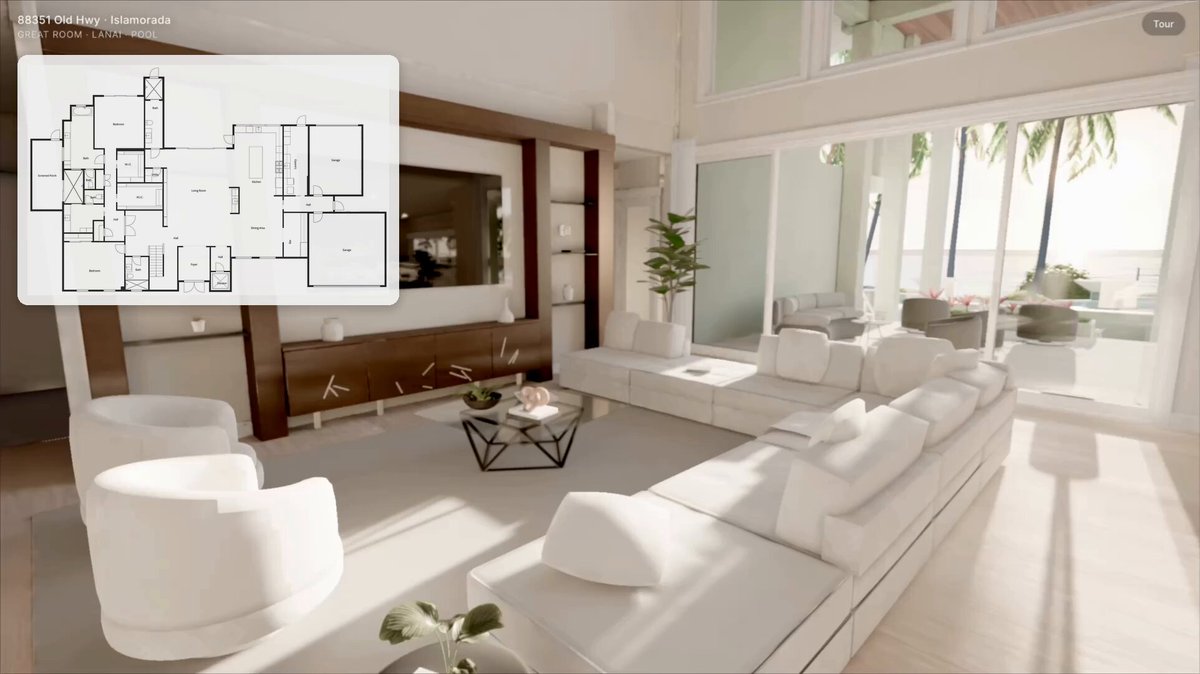
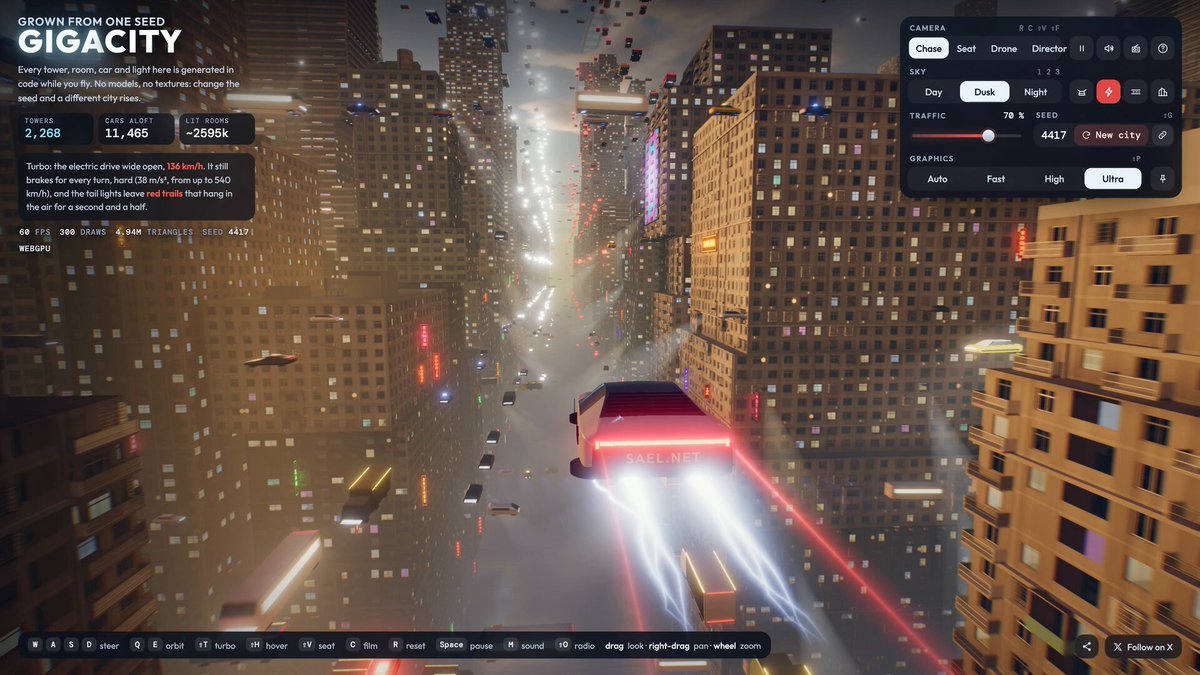
Blender中的程序化3D场景构建
Blender中的程序化3D场景构建,由 @0xCodio 使用 Opus 5.5 创作。观看视频,阅读创作者原帖,了解作品背景。
0:24 · 114 赞(来源快照) · 6.8K 次浏览(来源快照)
创作者帖子
创作者帖子和原始作品标题保留来源语言。
Opus 5.5 drives Blender like a technical artist who never gets tired, not an image model guessing at pixels
Most AI 3D tools fake the result, a pretty render with no scene behind it, nothing you can light differently or move an inch.
Opus 5.5 lives inside Blender instead, it reasons in nodes and operators, not pixels:
> Plan: it breaks "a rainy neon alley" into geometry, shaders, lights, camera
> Script: it drives Blender's Python directly, building the real scene graph
> Node: it wires shader and geometry nodes by hand, so materials stay procedural
> Review: it renders a preview, reads it, and rewires whatever looks wrong
• Why node level control wins
> A procedural material retextures the whole scene from one slider
> Geometry nodes scatter 10,000 objects without 10,000 copies
> Nothing is baked, so every look change is a value, not a redo
• What it actually handles
> Shader graphs with real fresnel, subsurface and displacement
> Physics sims set up and baked, cloth, smoke, rigid bodies
> Multi pass compositing wired in the node editor, not flattened
• Where it leaves prompt to image behind
> It debugs its own node tree when a material renders black
> It keeps a 500 frame animation consistent instead of flickering
> It hands you a .blend a studio can open and finish, not a dead frame
One full scene, lit, shaded and rendered, lands in about 90 seconds.
And the part that broke my brain:
An image model gave me a gorgeous frame I couldn't change one thing in.
Opus built the actual scene, and I moved the key light myself in 5 seconds.
Same shot. One of them is a picture, the other is a project.
The output was never the render.
It's the node tree underneath ↓
这是创作者的帖子文字,不是经过核验的生成提示词。