MotionVideo
 0:31
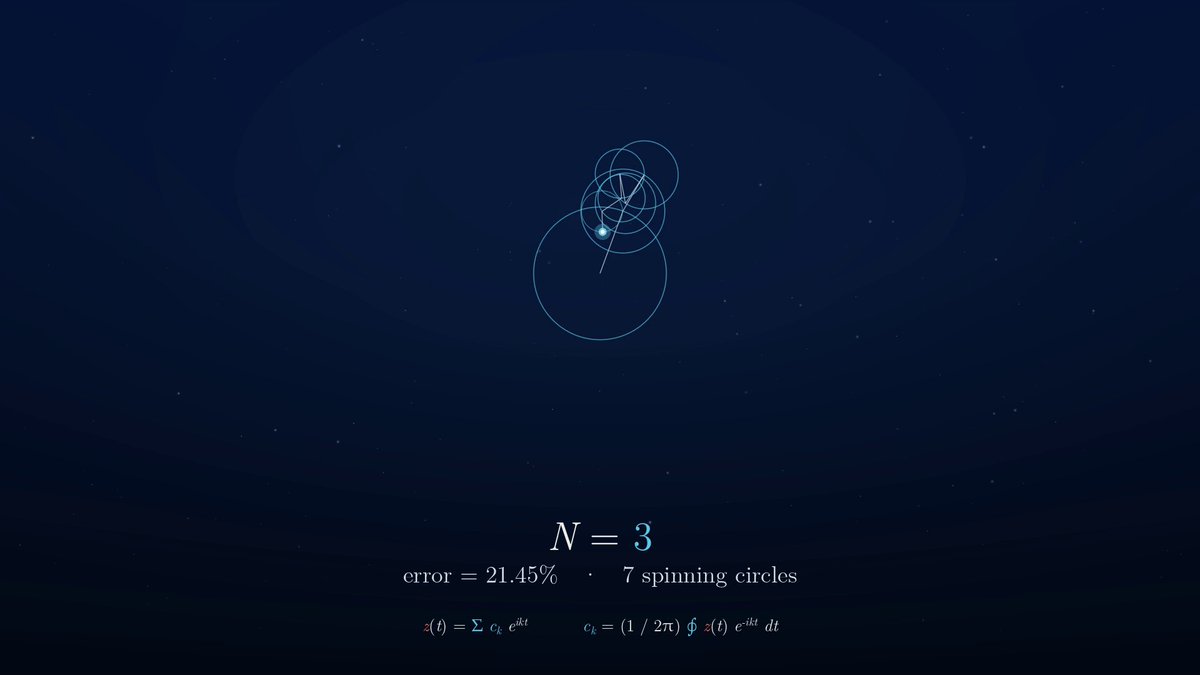
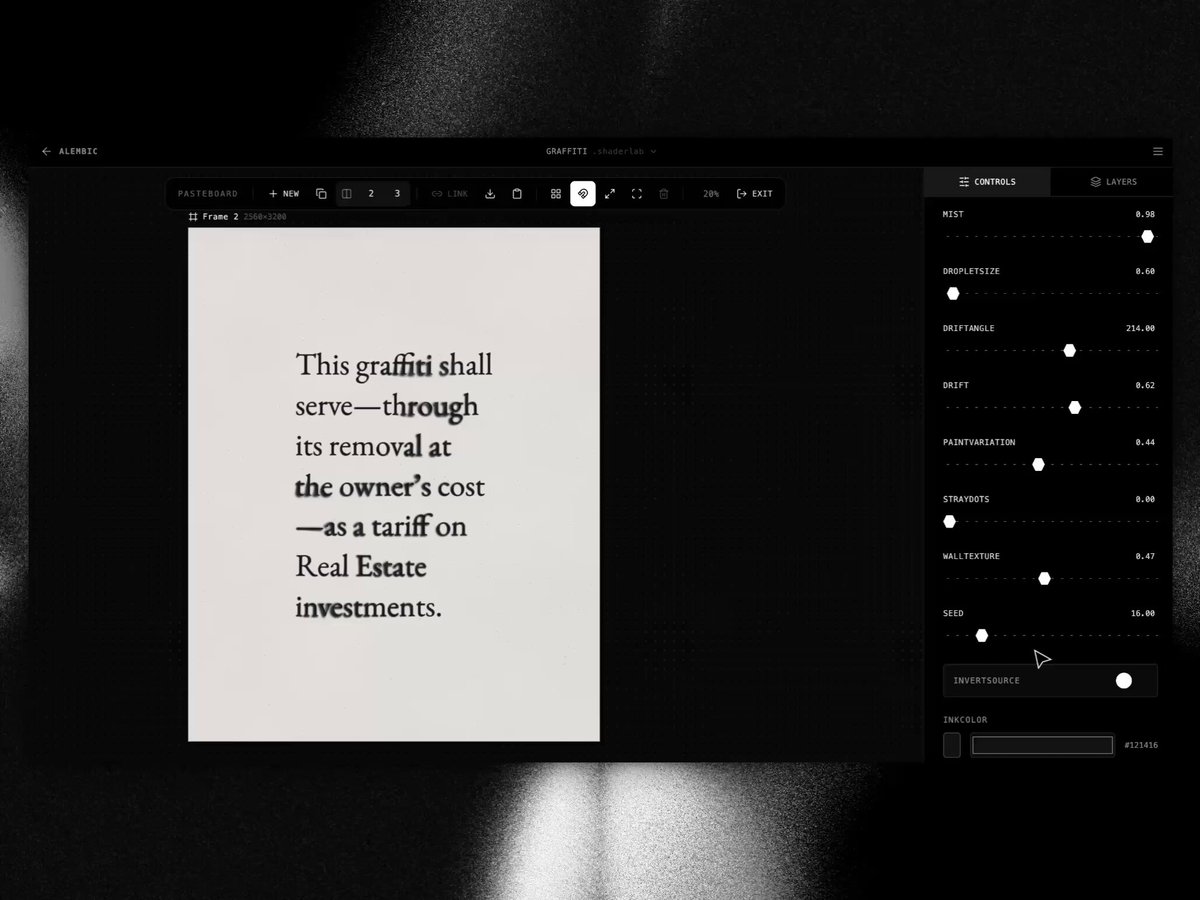
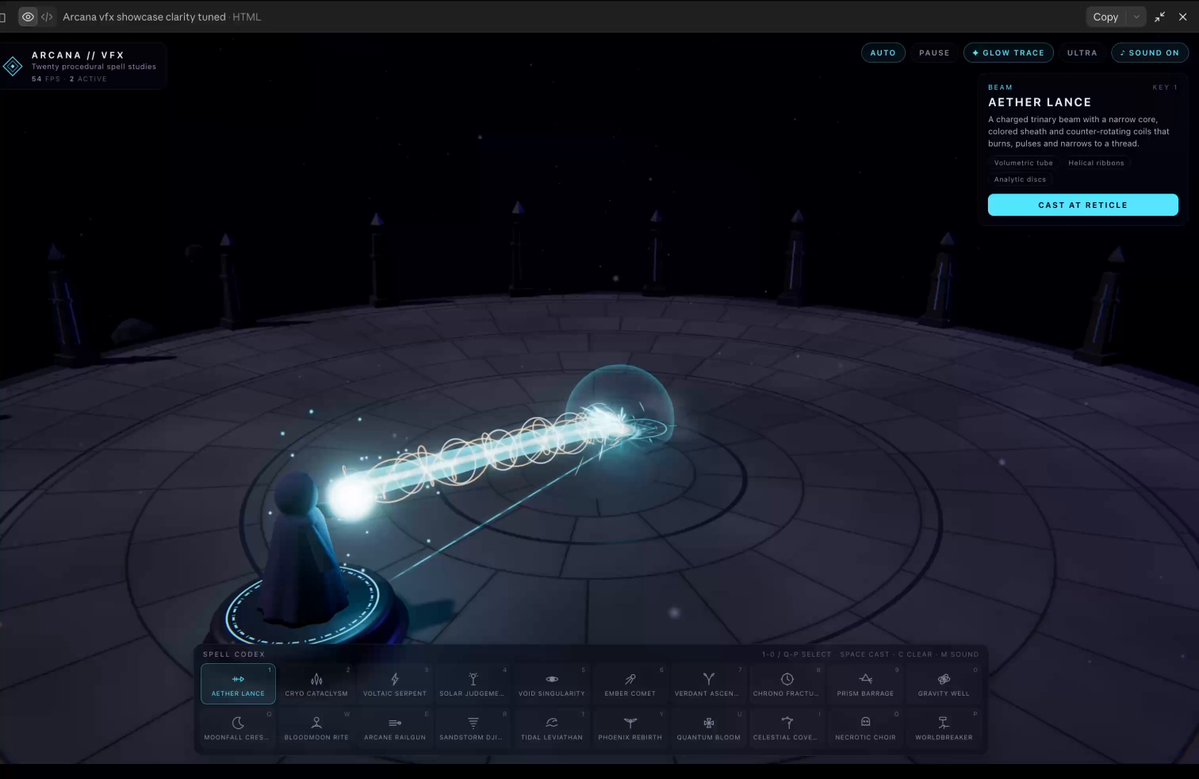
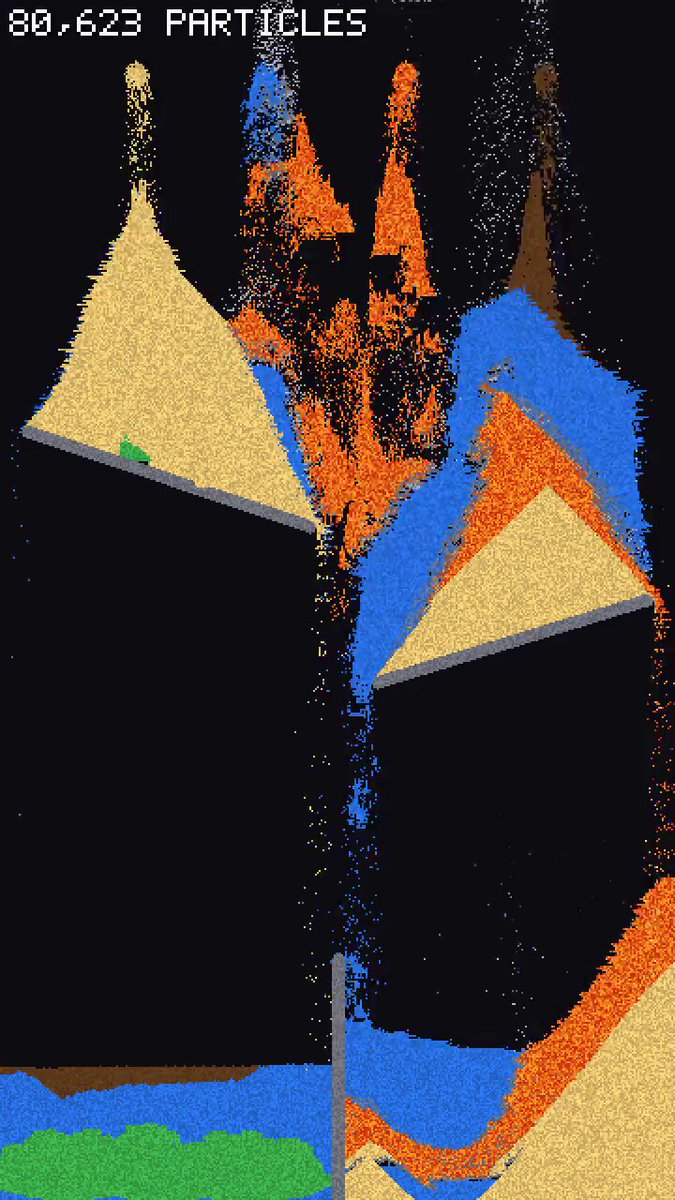
Code-based logo animation from scattered particles
Code-based logo animation from scattered particles — Opus 5.5 video by @0xCodio. Watch the clip and read the original creator’s post for context.
0:31 · 58 likes in the source snapshot · 2.6K views in the source snapshot
Creator post
Creator posts and original work titles are preserved in their source language.
Opus 5.5 is quietly the best motion design tool on the market, and it never renders a single frame itself
Most AI motion tools generate the video directly, so you get a clip you can’t open, can’t tweak, and can’t match to a brand.
Opus 5.5 writes the animation as code instead, the keyframes, the easing curves, the timing, all editable after the fact:
→ Brief in: “logo assembles from scattered particles, 2s, ease-out”
→ Code out: a scene file with every keyframe named and adjustable
→ Change: “make it bouncier” edits the easing, not the whole render
→ Export: the same file renders to Lottie, SVG, or raw video
• Why code beats a rendered clip
> A timing tweak edits one value, not a 40-minute re-render
> The output scales to any resolution with no quality loss
> It inherits your real brand tokens, not an approximation
• Where it pulls ahead of render models
> It reasons about why a motion feels wrong, then fixes the curve
> It keeps 12 animated elements in sync instead of drifting
> It hands off a file a designer can open in After Effects
And the part that broke my brain:
A motion studio bills $2,000 for a 5-second brand animation.
Opus wrote the same scene as code for under a dollar.
Same motion. One of them you can still edit tomorrow.
The output that matters isn’t a video file.
It’s the source that made it ↓
The source labels this post as sharing a prompt. Read the original post for full context.